Posts in Category: Uncategorized

Working hard

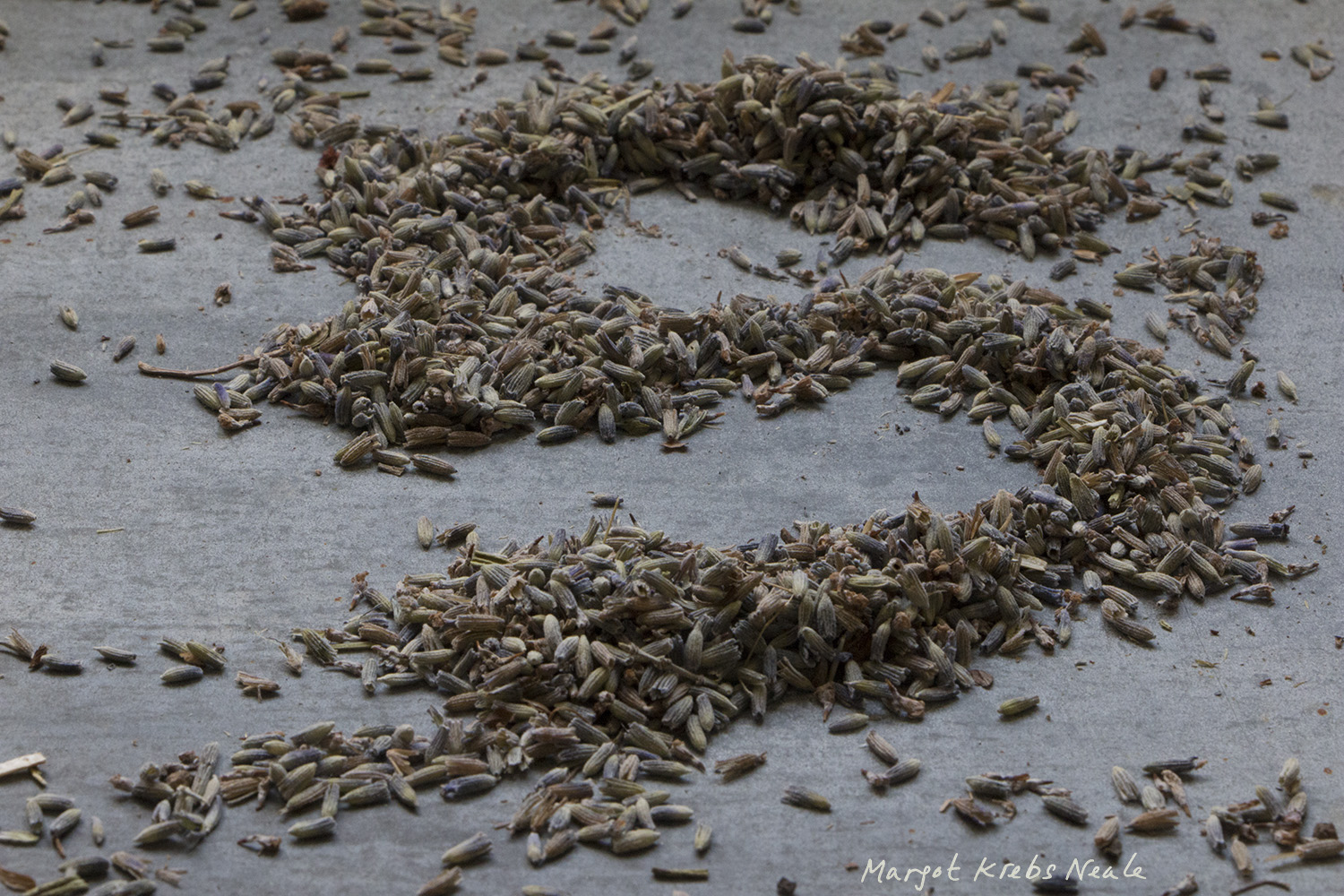
Working hard to prepare the exhibition at the jARTdins de Montagny in France on 3rd and 4th of June 2017

Find out more about it here:

Les jARTdins de Montagny.

Suivez ce lien pour en savoir plus sur l'exposition que je prépare et qui aura lieu dans le Vexin le week-end de la Pentecôte, 3 et 4 Juin 2017

#happyvalentinesday

Not anyone who says, "I'm going to be
careful and smart in the matters of love,"
who says, "I'm going to choose slowly,"
but only those lovers who didn't choose at all
but were, as it were, chosen
by something invisible
and powerful and uncontrollable
and beautiful and possibly even
unsuitable--
only those know what I'm talking about
in this talking about love.

Mary Oliver

Artemis

May we mend this outer world
according to the truth of our inner life
and may our souls be shaped and nourished
by nature’s eternal wisdom.

M. Leunig

À qui d’autre que toi apparaissent-ils en rêve ?

Cette nuit, j'ai rêvé de mon père, nous étions tous les deux avec beaucoup d’autres gens dans une grande farandole.
Il ressemblait à l’homme qu’il était quand il avait entre 40 et 50 ans. Moi, je n’avais pas d’âge, il n’était pas près de moi mais j’étais contente de le voir et que nous soyons ensemble parmi tous ces gens heureux dans un grand champ.

KONSZACHTY Z UMARŁYMI

W jakich okolicznościach śnią ci się umarli?
Czy często myślisz o nich przed zaśnięciem?
Kto pojawia się pierwszy?
Czy zawsze ten sam?
Imię? Nazwisko? Cmentarz? Data śmierci?

Na co się powołują?
Na dawną znajomość? Pokrewieństwo? Ojczyznę?
Czy mówią, skąd przychodzą?
I kto za nimi stoi?
I komu oprócz ciebie śnią się jeszcze?

Ich twarze czy podobne do fotografii?
Czy postarzały się z upływem lat?
Czerstwe? Mizerne?
Zabici czy zdążyli wylizać się z ran?
Czy pamiętają ciągle, kto ich zabił?

Co mają w rękach – opisz te przedmioty.
Zbutwiałe? Zardzewiałe? Zwęglone? Spróchniałe?
Co mają w oczach – groźbę? Prośbę? Jaką?
Czy tylko o pogodzie z sobą rozmawiacie?
O ptaszkach? Kwiatkach? Motylkach?

Z ich strony żadnych kłopotliwych pytań?
A ty co wtedy odpowiadasz im?
Zamiast przezornie milczeć?
Wymijająco zmienić temat snu?
Zbudzić się w porę?

Wisława Szymborska, Ludzie na moście (1986)

COMPLICITÉS AVEC LES MORTS

En quelles circonstances rêves-tu des morts ?
Penses-tu souvent à eux avant de t’endormir ?
Qui t’apparaît le premier ?
Est-ce toujours le même ?
Nom ? Prénom ? Cimetière ? Date de la mort ?

À quoi en appellent-ils ?
À l’amitié lointaine ? La parenté ? La patrie ?
Est-ce qu’ils disent d’où ils viennent ?
Qui se cache derrière eux ?
À qui d’autre que toi apparaissent-ils en rêve ?

Leurs visages ressemblent-ils à leurs photos ?
Ont-ils vieilli avec les années ?
Sont-ils frais ? Pâles ?
Les tués ont-ils eu le temps de soigner leurs blessures ?
Se souviennent-ils encore qui les a tués ?

Qu’ont-ils dans leurs mains – décris ces objets.
Pourris ? Rouillés ? Carbonisés ? Vermoulus ?
Que lit-on dans leurs yeux – la menace ? La prière ? Laquelle?
Vous ne parlez que de la pluie et du beau temps entre vous?
Des oiseaux ? Des fleurs ? Des papillons ?

De leur part nulles questions gênantes ?
Et toi, que leur réponds-tu alors ?
Au lieu de prudemment te taire ?
De passer évasivement à un autre sujet de rêve ?
De te réveiller à temps ?

Wisława Szymborska.

Traduction d’Isabelle Macor-Filarska avec la participation de Grzegorz Splawinski.

Myśli nawiedzające mnie na ruchliwych ulicach / Thoughts That Visit Me on Busy Streets

In this video, Wisława Szymborska reads Myśli nawiedzające mnie na ruchliwych ulicach from Tutaj 2009 accompanied by Tomasz Stańko on trumpet. I have associated some of my photographs to the poem. Photos of Wisława Szymborska and Tomasz Stańko are not by me.

Myśli nachodzące mnie na ruchliwych ulicach

Twarze.
Miliardy twarzy na powierzchni świata.
Podobno każda inna
od tych, co były i będą.
Ale Natura - bo kto ją tam wie -
może zmęczona bezustanną pracą
powtarza swoje dawniejsze pomysły
i nakłada nam twarze
kiedyś już noszone.

Może cię mija Archimedes w dżinsach,
caryca Katarzyna w ciuchu z wyprzedaży,
któryś faraon z teczką, w okularach.
Wdowa po bosym szewcu
z malutkiej jeszcze Warszawy,
mistrz z groty Altamiry
z wnuczkami do ZOO,
kudłaty Wandal w drodze do muzeum
pozachwycać się trochę.

Jacyś polegli dwieście wieków temu,
pięć wieków temu
i pół wieku temu.

Ktoś przewożony tędy złoconą karetą,
ktoś wagonem zagłady.

Montezuma, Konfucjusz, Nabuchodonozor,
ich piastunki, ich praczki i Semiramida,
rozmawiająca tylko po angielsku.

Miliardy twarzy na powierzchni świata.
Twarz twoja, moja, czyja -
nigdy się nie dowiesz.
Może Natura oszukiwać musi,
i żeby zdążyć, i żeby nastarczyć
zaczyna łowić to, co zatopione
w zwierciadle niepamięci.

z tomu Tutaj, 2009
Wisława Szymborska

Thoughts That Visit Me on Busy Streets

Faces.
Billions of faces on the earth's surface.
Each different, so we're told,
from those that have been and will be.
But Nature—since who really understands her?—
may grow tired of her ceaseless labors
and so repeats earlier ideas
by supplying us
with preworn faces.

Those passersby might be Archimedes in jeans,
Catherine the Great draped in resale,
some pharaoh with briefcase and glasses.
An unshod shoemaker’s widow
From a still pint-sized Warsaw,
The master from the cave at Altamira
Taking his grandkids to the Zoo,
A shaggy Vandal en route to the museum
To gasp at past masters.

The fallen from two hundred centuries ago,
Five centuries ago,
Half a century ago.

One brought here in a golden carriage,
Another conveyed by extermination transport.

Montezuma, Confucius, Nebuchadnezzar,
Their nannies, their laundresses, and Semiramida,
Who only speaks English.

Billions of faces on the earth's surface.
My face, yours, whose—
you'll never know.
Maybe Nature has to shortchange us,
and to keep up, meet demand,
she fishes up what's been sunk
in the mirror of oblivion.

In Tutaj, 2009
Translation Clare Cavanagh

Black and White

When I go toward you…

Du wirst nur mit der Tat erfaßt;
mit Händen nur erhellt;
ein jeder Sinn ist nur ein Gast
und sehnt sich aus der Welt.

Ersonnen ist ein jeder Sinn,
man fühlt den feinen Saum darin
und daß ihn einer spann:
Du aber kommst und giebst dich hin
und fällst den Flüchtling an.

Ich will nicht wissen, wo du bist,
sprich mir aus überall.
Dein williger Euangelist
verzeichnet alles und vergißt
zu schauen nach dem Schall.

Ich geh doch immer auf dich zu
mit meinem ganzen Gehn;
denn wer bin ich und wer bist du,
wenn wir uns nicht verstehn?

Rainer Maria Rilke, Das Stundenbuch
1.10.1899, Berlin-Schmargendorf

Only in our doing can we grasp you.
Only with our hands can we illumine you.
The mind is but a visitor:
it thinks us out of our world.

Each mind fabricates itself.
We sense its limits, for we have made them.
And just when we would flee them, you come
and make of yourself an offering.
.

I don’t want to think a place for you.
Speak to me from everywhere.
Your Gospel can be comprehended
without looking for its source.
.

When I go toward you
it is with my whole life.
...
.

I, 51 Rilke’s Book of Hours
Translated by Anita Barrows & Joanna Macy

Through the darkness and mystery – Leunig

Notre chemin de vérité de Michael Leuning

La version française suit le texte en anglais

What will you do, God, when I die?

Was wirst du tun, Gott, wenn ich sterbe?

Was wirst du tun, Gott, wenn ich sterbe?
Ich bin dein Krug (wenn ich zerscherbe?)
Ich bin dein Trank (wenn ich verderbe?)

Bin dein Gewand und dein Gewerbe,
mit mir verlierst du deinen Sinn.

Nach mir hast du kein Haus, darin
dich Worte, nah und warm, begrüßen.
Es fällt von deinen müden Füßen
die Samtsandale, die ich bin.

Dein großer Mantel lässt dich los.
Dein Blick, den ich mit meiner Wange
warm, wie mit einem Pfühl, empfange,
wird kommen, wird mich suchen, lange -
und legt beim Sonnenuntergange
sich fremden Steinen in den Schoß.

Was wirst du tun, Gott? Ich bin bange.

Rainer Maria Rilke, 26.9.1899, Berlin-Schmargendorf

What will you do, God, when I die?

What will you do, God, when I die?
I am your pitcher (when I shatter?)
I am your drink (when I go bitter?)

I, your garment; I, your craft.
Without me what reason have you?

Without me what house
where intimate words await you?
I, velvet sandal that falls from your foot.
I, cloak dropping from your shoulder.

Your gaze, which I welcome now
As it warms my cheek,
Will search for me hour after hour
And lie at sunset, spent,
On an empty beach
Among unfamiliar stones.

What will you do, God? It troubles me.

Rilke, The Book of Hours I, 36

photo Margot Krebs Neale